Connecting sustainable food systems to the UN SDGs
Prefer text?
Read the transcript
End hunger, achieve food security and improved nutrition, and promote sustainable agriculture.
Did you know hunger and malnutrition prevents people from improving their life means? It's like a spiral that goes around and around with no end.
Moreover, climate change reduces the resources that we depend on to feed ourselves. Today more than 800 million people suffer from hunger in the world. To end this by 2030, we must start today.
An inspiring and real example, John Van Hengel, this retired citizen from Phoenix met a mother of nine that managed to supply themselves with the food leftover from supermarkets.
And he organized a food collection through some of them founding the first food bank in the 1960s with some volunteers and an empty space. They are now crucial across the whole planet. Your skills aren't different to John's.
Where can we start?
-
- Adopt a healthy and balanced diet keeping healthy does not consist of eating a lot but doing it correctly.
- Buy fruits and vegetables that aren't inadequate due to their imperfect state.
- Plan out your shopping before your products expire or when ordering food in restaurants.
- Organize and collaborate in food collections and give donations to schools and education projects that offer students full daily meals.
- Promote, in your cafeteria, the wonderful initiative of pending coffee. You pay for yours and one extra, just in case someone needs it. In countries like Italy, many people with no resources enjoy a warm coffee.
Ending with hunger starts with you and continues with your loved ones. Shall we start?
Linking the UNB SDGs with sustainable food systems
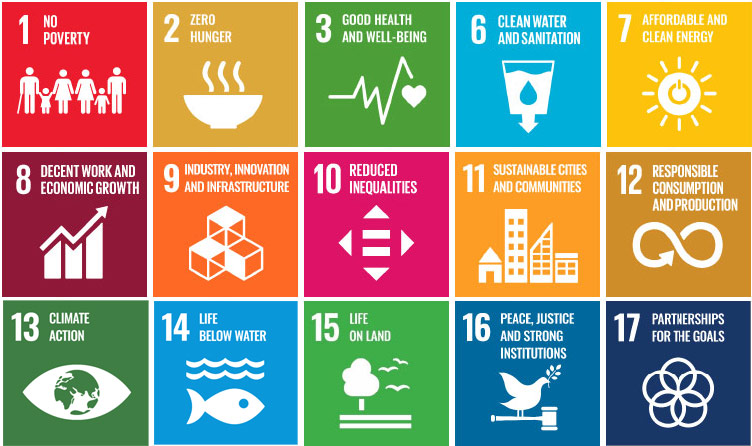
- #1 - No Poverty
- #2 - Zero Hunger
- #3 - Good Health and Well-being
- #6 - Clean Water and Sanitation
- #7 - Affordable and Clean Energy
- #8 - Decent Work and Economic Growth
- #9 - Industry, Innovation, and Infrastructure
- #10 - Reduced Inequalities
- #11 - Sustainable Cities and Communities
- #12 - Responsible Consumption and Production
- #13 - Climate Action
- #14 - Life Below Water
- #15 - Life on Land
- #16 - Peace, Justice, and Strong Institutions
- #17 - Partnerships for the Goals
Conclusion
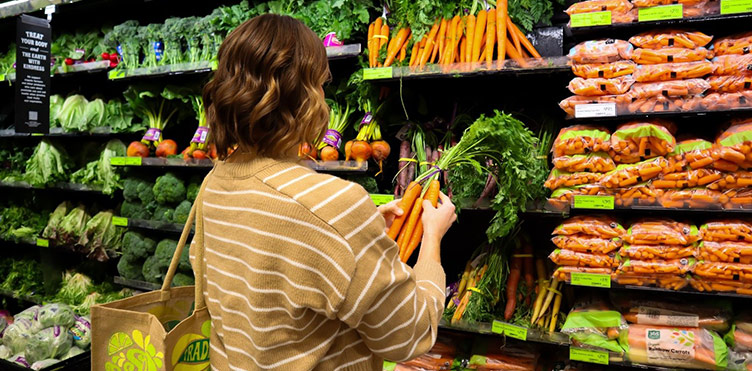
In this module, you explored the concept of sustainable food systems, emphasizing on how food production, distribution, and consumption can be aligned with principles of environmental stewardship and social responsibility.
You gained insights into how local food systems in New Brunswick operate, the impacts of climate change on agriculture, and the significance of reducing food miles.
You connected these concepts to the broader framework of the United Nations Sustainable Development Goals (SDGs), recognizing how local actions contribute to global sustainability efforts.
Finally, you were introduced to various community initiatives and resources in New Brunswick that support sustainable food practices, providing practical ways to engage and make a positive impact in your own community.
Through this module, you have your knowledge of sustainable food systems and reflected on how you can actively participate in creating a more sustainable and resilient food system in your region.
If you're a UNB student completing this module for coursework, be sure to complete the reflection section as part of your requirements.
Call to action
Based on what you have learned in this module, brainstorm three possible actions you could take to support sustainable food systems in New Brunswick and choose one to complete.
Here are some ideas to get you started: visit a local Farmers Market, join a Community Supported Agriculture (CSA) Program, download an anti-waste app, reduce your food miles, or share what you have learned about sustainable food systems with friends and family.
Food sustainability in our community
At UNB
- Sustainable Food | UNB Sustainability
- Fredericton campus: UNB Student Union
- Saint John campus: Resource Centre - UNB Students’ Representative Council
- UNB campus sustainability maps
Food banks
Anti-waste apps
- FoodHero: Save on groceries and fight food waste
- Flashfood: Save on groceries, while also saving good food from going to waste
- OddBunch: Produce Boxes & Vegetable Delivery Across Canada
- Too Good to Go: Save Good Food From Going To Waste
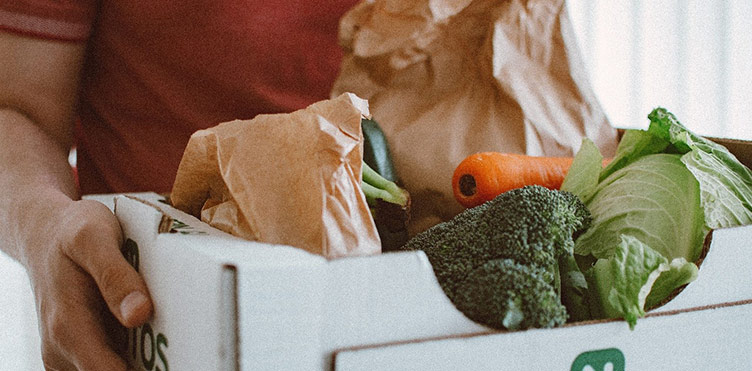
“The Thrive Perishable Food Rescue Centre, set to open in July 2026, will receive produce to be prepared, flash frozen, and transported to all food banks in the province. In addition to diverting food from our landfills, the PFRC will support the creating of partnerships with local producers, helping strengthen the agricultural economy.” - Greener Village on community resiliency and sustainability
References
Learn more
- Agriculture and Agri-Food Canada
- Atlantic Canadian Organic Regional Network
- Atlantic Open Farm Day
- A guide to New Brunswick's Local & Seasonal Food & Beverages
- Environment and sustainability in agriculture
- Fast Facts – What are sustainable food systems?
- Food and climate change - David Suzuki Foundation
- Food For All NB
- Agricultural Alliance of NB
- Food and Agriculture Organization of the United Nations
- Living Lab New Brunswick
- Sustainable Agriculture Network
- Land and Environment - Agriculture
- UNB's McKenna Institute announces investment in digital agriculture led by McCain Foods

This work is licensed under a Creative Commons Attribution-NonCommercial 4.0 International License.