Energy fundamentals
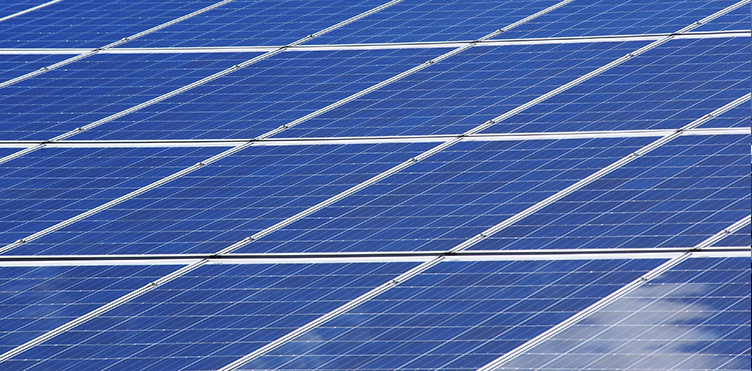
Before exploring sustainable energy, it's crucial to first understand the basics of energy itself. Energy is woven into every aspect of our lives, from the food that fuels our bodies to the transportation systems we rely on daily.
Life on Earth is sustained by energy, making it an indispensable resource. But what exactly is energy and how does it function in the world around us?
What is energy?
Energy is often mistakenly interchanged with power, yet their distinction is crucial. Energy is a conserved quantity, meaning it cannot be created or destroyed, only transformed or transferred.
It manifests as heat, work, or is contained within matter, and is fundamentally described as the capacity to effect change or perform work.
Power, in contrast, represents the rate at which energy is expended or consumed at any given instance. The connection between energy and power is represented by the formula below:
Energy = Power × Time
Energy comes in many forms, but it can be broadly classified into two main types: potential energy and kinetic energy.
Potential energy is stored energy an object possesses because of its position or state. It exists in the following forms:
- Chemical energy: Energy stored in the bonds of molecules.
- Elastic energy: Energy stored in objects by the application of force.
- Nuclear energy: Energy stored in the nucleus of an atom.
- Gravitational potential energy: Energy of position or place.
Kinetic energy is the energy of motion. It exists in the following forms:
- Electrical energy: Energy from the movement of electrons through a conductor.
- Radiant/electromagnetic energy: Energy that travels in transverse waves.
- Thermal Energy: The internal energy of substances, arising from the vibration and movement of atoms and molecules.
- Sound energy: Energy transmitted through substances in longitudinal waves, produced when a force causes an object or substance to vibrate.
Mechanical energy stands out as it represents the combination of both potential and kinetic energy within physical systems.
Energy sources
Our energy supply is derived from various sources, which can be categorized into two main groups:
Non-renewable (depletable) resources
- Coal
- Natural gas
- Nuclear
- Oil
Renewable (replenishable) resources
- Bioenergy
- Geothermal
- Hydropower
- Ocean / Tidal
- Solar
- Wind
These resources become valuable when converted into secondary forms of energy, such as biofuels, electricity, and gasoline, which can be readily utilized to meet essential needs like cooking, heating, lighting, transportation, refrigeration, space cooling, water pumping and manufacturing.
For a deeper understanding of energy and its historical significance, explore the following resources:
- The Essentials of Energy, a brief yet comprehensive video that covers the fundamentals of energy, offering a clear and concise introduction to the topic.
- Discover the history of electricity by visiting A Snapshot of Electricity's Evolution which provides an insightful overview of how electricity has shaped modern life.

This work is licensed under a Creative Commons Attribution-NonCommercial 4.0 International License.