Green Buildings & Infrastructure
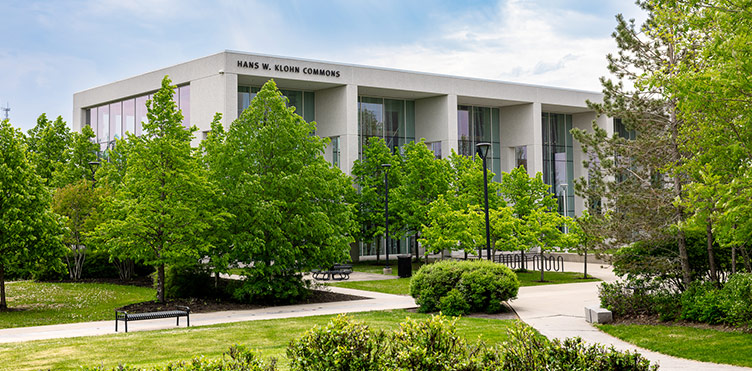
Buildings and infrastructure are an important topic in sustainability. To get started, review the key definitions and acronyms.
Key definitions and acronyms
Green building: A high-performance property that considers and reduces its impact on the environment and human health.
Green infrastructure: Green technologies and natural vegetative systems that support native species, maintain natural ecological processes, improve air quality, protect water resources, and contribute to the health of communities and ecosystems.
Energy efficiency: Refers to utilizing the least amount of energy possible to perform a task effectively or to accomplish the desired results.
Greenhouse gases (GHGs): Gases that effectively act like a greenhouse or a layer of insulation for Earth: they trap heat and warm the planet.
Grey water: Water that has already been used domestically, commercially, or industrially. This includes the leftover, untreated water generated from washing machines, bathtubs and bathroom sinks.
Indoor Air Quality (IAQ): Refers to the air quality within and around buildings and structures, especially as it relates to the health and comfort of building occupants.
Leadership in Energy and Environmental Design (LEED): A globally recognized green building rating system which provides a framework for efficient, cost-saving, healthy green buildings.
WELL Building Standard (WELL): A performance-based system for measuring, certifying, and monitoring features of the built environment that impact human health and well-being, through air, water, nourishment, light, fitness, comfort and mind.
Life Cycle Assessment (LCA): A methodology used to measure the environmental impacts of products or processes throughout their entire life cycle.
Urban heat island effect: Refers to the absorption and retention of incoming solar radiation by the buildings and hardscape of urban areas.
When this heat is released into the surrounding atmosphere, relatively distinct heat islands can be formed, having higher temperatures than their rural surroundings.
The urban heat island effect can be exacerbated by the energy use of buildings and their interfering with the ability of the wind to carry away heat.
Fossil fuels: Natural sources of energy formed from the remains of plants and animals that have been subjected to intense heat and pressure over millions of years.
They are mainly composed of carbon and hydrogen and release GHGs when burned. Examples include natural gas, coal and oil.

This work is licensed under a Creative Commons Attribution-NonCommercial 4.0 International License.